


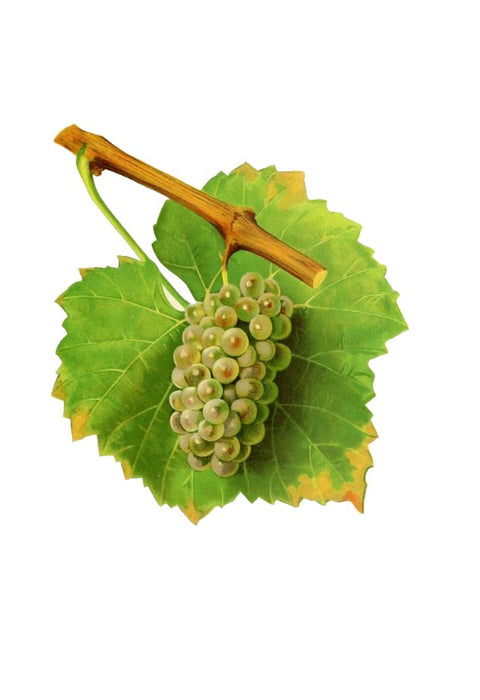
Melon de Bourgogne Grape variety guide: history, French regions, taste & food pairing
Melon de Bourgogne, or simply Melon, is the white grape behind Muscadet, the crisp, saline wine of the western Loire Valley near Nantes and one of the world's great partners for oysters.
Learn more about Melon de Bourgogne
History & origins
As its name suggests, Melon originated in Burgundy, where DNA shows it is a cross of Pinot and Gouais Blanc, a sibling of Chardonnay. After the devastating frost of 1709 destroyed the vineyards around Nantes, growers replanted with this hardy, frost-resistant grape. Aging "sur lie" (on the fine lees) became the local tradition, adding texture and a gentle sparkle.
French regions & appellations
Muscadet AOC, Muscadet Sèvre et Maine, Muscadet Coteaux de la Loire and Muscadet Côtes de Grandlieu, plus crus communaux such as Clisson, Gorges, Le Pallet and Château-Thébaud.
Taste profile
Light-bodied and bone-dry, with lemon, green apple, pear, white flowers, sea spray, crushed shells and a yeasty, brioche note from lees aging. Crus age beautifully.
Food pairing
Oysters, moules marinières, clams, langoustines, pike with beurre blanc, sushi, fish and chips and fresh goat cheese.
Where Melon de Bourgogne grows in France
Appellations: Côteaux Bourguignons, IGP Val de Loire, Muscadet